
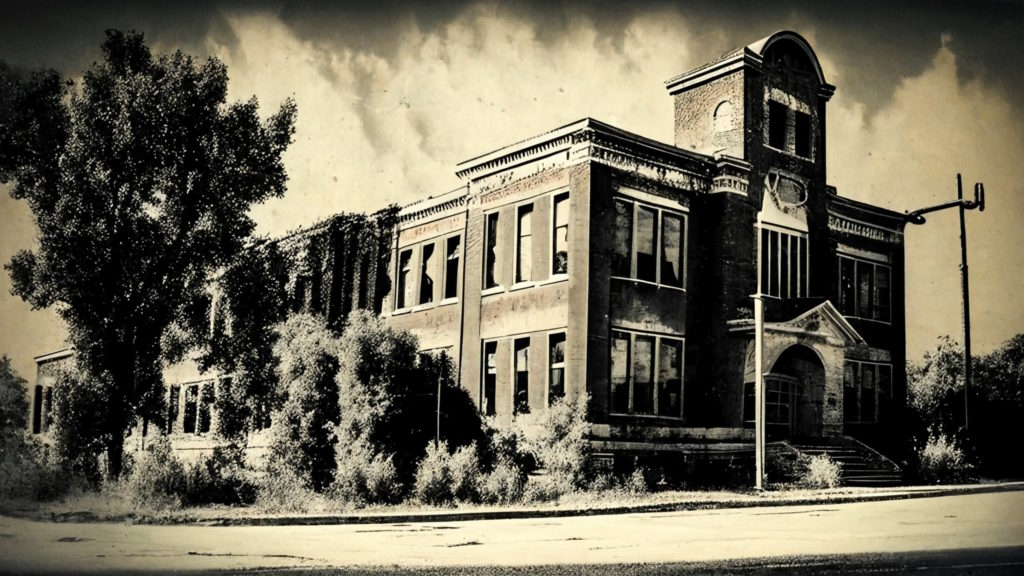
The public education system today (being the middle school, high school, and university systems) certainly has its strengths.
Until recently, educational resources were scarce and expensive and large-scale remote learning impossible. Consolidation of students in close proximity to learning materials and professional instructors proved to be the best use of resources. For many decades, the system has been the most cost-efficient means of educating a large population of young people.
The public school system is reliable. In the event a storm damages the school facilities, the government prioritizes continuity of the daily school routine for the students. Just about the only long-term disruption to the school system is a union-organized teacher strike. Even during the COVID shutdowns, school continued for most students through remote learning.
The public school system offers young people opportunities to interact, make friends, and socialize. That’s a good thing. And educators and administrators identify children at risk and can help them. Again, a good thing. Plus, having students in a common location makes feeding those who might have otherwise gone hungry much easier. Another good thing.
Perhaps you’ve noticed the common thread here.
The core strengths of the American educational system derive from its consolidation of students into a single physical location. With all the students in one place at one time, school leaders distribute the costs of each educator across many students. The government can use the convenience of needy students being in a single location to feed them from one large kitchen. Likewise, educators may tend to special education students efficiently, by bringing them all together.
During the era now coming to an end, the American educational system made efficient use of its resources. The community could get half a century of service from a school building and years of reuse of text books. Equipment bought for the classroom could be used for decades. A school system drew in all the students, educated them, provided extracurricular activities, and bused them home. At a time when the town library was the primary repository for information and the schools were the primary source of knowledge, this made perfect sense.
So, if the American educational system has so many strengths, why is its century-long era coming to an end? What signals the end of that era? What changed?
Return to Home
Return to Characteristics of the Current Era
Continue to Eras of Education
Continue to Education is Cheap, Proof is Expensive